What is a biostimulant?
A biostimulant is a substance or microorganism that, when applied to seeds, plants or the root zone, stimulates the plant's own natural processes. The effect is on how well the plant grows, takes up nutrients and copes with stress – not on the nutrients the product itself contains.
Three points help separate biostimulants from other inputs:
- They are not fertilizers. A biostimulant does not replace the N, P and K a crop needs. It helps the plant make better use of them.
- They are not pesticides. Biostimulants do not kill pests or cure disease. They support plant health and resilience.
- They work on plant processes. Their value shows up as better rooting, nutrient uptake, flowering, quality and tolerance to heat, drought and other abiotic stress.
Biostimulants in India: the regulatory picture
In India, biostimulants are regulated under the Fertiliser (Control) Order (FCO). In 2021 the government added a dedicated schedule for biostimulants – Schedule VI – setting out how products are categorised and what must be shown before they can be sold. For growers and dealers, this means it is worth buying biostimulants from established companies that comply with the FCO.
Main types of biostimulants
Biostimulants are usually grouped by what they are made from. The main categories are:
| Type | Typical source | Commonly associated with |
|---|---|---|
| Seaweed / algal extracts | Marine algae (brown seaweeds and others) | Root growth, stress tolerance, natural plant growth compounds |
| Protein hydrolysates | Plant or animal proteins broken down into amino acids and peptides | Nutrient uptake, nitrogen metabolism, stress recovery |
| Humic substances | Humic and fulvic acids from decomposed organic matter | Soil structure, root growth, nutrient availability |
| Microbial biostimulants | Beneficial bacteria and fungi | Root-zone activity, nutrient availability |
| Plant metabolite-based | Natural plant compounds or their precursors | Activating specific plant processes such as growth and nutrient assimilation |
Seaweed and algal extracts
Extracts of marine algae are among the oldest biostimulants in use. They contain a mix of carbohydrates, minerals and natural compounds that influence plant growth. They are widely used to support rooting and help crops cope with abiotic stress.
Protein hydrolysates
Protein hydrolysates are proteins broken into smaller peptides and free amino acids. Plants can take these up and use them as building blocks and signals, which is why they are often linked with better nitrogen metabolism and recovery from stress.
Humic substances
Humic and fulvic acids come from decomposed organic matter. They act mostly in the soil and root zone, where they can improve soil structure and help keep nutrients in available forms.
Microbial biostimulants
These are living beneficial microorganisms – certain bacteria and fungi – that colonise the root zone. They can improve nutrient availability and root health. Because they are living, storage and handling matter.
Plant metabolite-based biostimulants
This group uses natural plant compounds, or the precursors from which plants make them. Instead of feeding the plant, they nudge particular processes – such as growth, chlorophyll formation or nutrient assimilation – into higher gear.
How biostimulants work: main modes of action
Different biostimulants act in different ways, but most effects fall into a few broad areas:
- Better nutrient uptake and use. Many biostimulants help roots absorb nutrients and help the plant assimilate them – so more of the applied fertilizer turns into growth.
- Higher photosynthetic activity. Some products support chlorophyll formation and photosynthesis, giving the plant more energy for growth and yield.
- Stronger stress tolerance. Biostimulants often raise antioxidant activity and support the plant's own defences against heat, drought and other abiotic stress.
- Root development. A larger, healthier root system explores more soil for water and nutrients.
- Reproductive support. Some products target flowering, fruit set and fruit size.
- Gene-level signalling. Certain compounds act as signals that switch on (upregulate) plant genes involved in growth and defence.
Where Verdesian biostimulants fit
Verdesian's biostimulant range combines several of these approaches.
Crop+™ – fermentation-based, multi-component
Crop+™ is a crop nutrition supplement produced through a multi-stage fermentation process using naturally occurring microorganisms. It brings together metabolites, selected marine algal extracts and protein hydrolysates with naturally chelated nutrients – so it draws on more than one of the categories above.
Stated benefits of Crop+ include:
- Elicitation – enhanced natural defence mechanism
- Increased photosynthesis
- Enhanced nutrient uptake and increased yields
- Support of secondary metabolic pathways
- High antioxidant activity
- Genetic upregulation
Dose: 250 ml per acre, or 1.5–2 ml per litre of water.
primacyALPHA® – working inside the plant
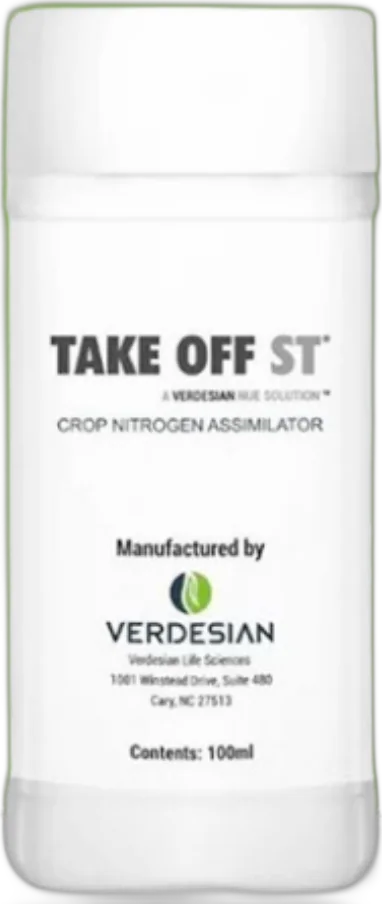
primacyALPHA® is a plant metabolite-based biostimulant. It is a blend of a cytokinin precursor, a chlorophyll precursor and Take Off technology, and contains patented Verdesian technologies discovered by Los Alamos National Laboratory and the University of California, Riverside.
It works inside the plant to stimulate efficient assimilation and use of nutrients, and acts as a reproductive growth catalyst. Its stated benefits include increased flowering, fruit size and fruit set; increased nutrient uptake and utilisation; and support for plant health and stress tolerance. It also provides secondary and micronutrients including sulphur, boron, manganese and zinc.
Dose: 400 ml per acre, or 2.5–3 ml per litre of water.
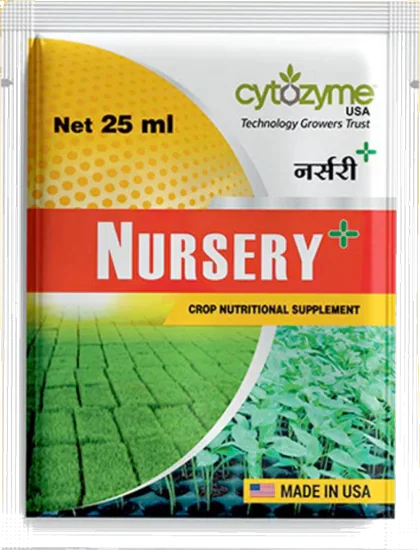
Nursery+™ – for healthy nurseries
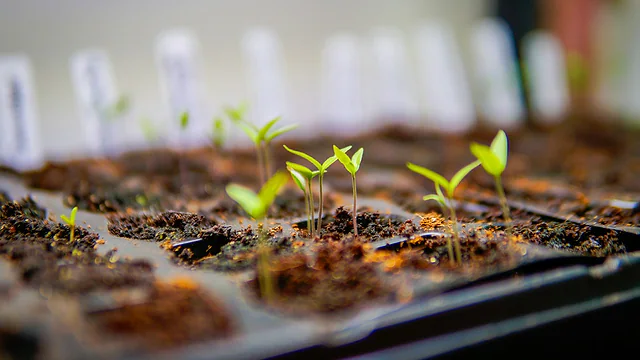
Nursery plants – paddy, vegetables and others – face herbicide shock, heat and drought before they ever reach the main field. Nursery+™ is a nutritional supplement that supplies essential nutrients and helps protect seedlings from these stresses. It helps minimise transplant shock and increases photosynthesis and antioxidants for a healthier crop after transplanting.
Dose: 2.5–5 ml per kg of water-soluble fertilizer.
Getting the best from biostimulants
- Keep the basics right. Biostimulants support a good nutrition and irrigation programme; they do not replace it.
- Time it to the crop stage. Match the product to what the crop needs – nursery establishment, active growth, or flowering and fruit set.
- Use the recommended dose. More is not better. Follow the label and handbill.
- Check compatibility before tank-mixing. Ask your dealer or agronomist if you plan to mix with other products.
- Compare on your own field. Leave an untreated strip so you can see the difference.
Talk to a Verdesian agronomist
Not sure which biostimulant suits your crop and stage? Contact a Verdesian agronomist for a recommendation, or request our trial reports to see field results.
Frequently asked questions
What is a biostimulant?
A biostimulant is a substance or microorganism that, applied to plants, seeds or the root zone, stimulates the plant's natural processes – such as nutrient uptake and tolerance to abiotic stress – independently of its own nutrient content.
Is a biostimulant the same as a fertilizer or a pesticide?
No. A biostimulant does not replace the nutrients a fertilizer supplies, and it is not a pesticide. It supports the plant's own growth and stress-response processes.
Are biostimulants regulated in India?
Yes. Biostimulants are regulated under the Fertiliser (Control) Order, which added a dedicated schedule (Schedule VI) for biostimulants in 2021.
What is the dose of Crop+?
Crop+ is used at 250 ml per acre, or 1.5–2 ml per litre of water.