Yield and quality are built stage by stage
A crop's final yield and quality are decided across its whole life – from germination to the last stage of grain or fruit fill. A weak start, a stressed nursery, poor flowering or patchy fruit filling each takes something away from the harvest.
Biostimulants and targeted nutrients help most when they are matched to what the crop needs at each stage. This guide walks through the main stages and shows where Verdesian products fit.
How biostimulants support yield and quality
Biostimulants do not replace fertilizer. They help the plant make better use of it and cope with stress. In practical terms, this means:
- Better establishment – faster, more uniform germination and stronger seedlings.
- More efficient nutrient use – more of the applied nutrient turned into growth.
- Higher photosynthesis – more energy for growth, flowering and filling.
- Better flowering and fruit set – more flowers that turn into fruit or grain.
- Better filling and colour – heavier grain and better-coloured, better-sized fruit.
- Stress tolerance – less setback from heat, drought and other abiotic stress.
Stage-wise guide: products and doses
The table below summarises where each product fits. Always follow the product label and handbill.
| Crop stage | Product | Dose |
|---|---|---|
| Seed (before sowing) | Take Off ST® | 1 ml per packet of seed |
| Seed (before sowing) | Seed 100 CL™ / SDM® | Dry seed treatment – see handbill |
| Nursery | Nursery+™ | 2.5–5 ml per kg of water-soluble fertilizer |
| Vegetative growth | Crop+™ | 250 ml per acre, or 1.5–2 ml per litre of water |
| Drip / fertigation (through the season) | LYRA™ | 2.5–5 ml per kg of water-soluble fertilizer |
| Flowering and fruit set | primacyALPHA® | 400 ml per acre, or 2.5–3 ml per litre of water |
| Flowering and fruit set (Ca + B) | CaB Plus | 400 ml per acre, or 2.5–3 ml per litre of water |
| Grain fill / fruit colour | Cyto Potash | 250 ml per acre, or 1.5–2 ml per litre of water |
Stage 1: Seed – a strong start
Uniform emergence sets the plant population, and plant population sets the ceiling for yield. Seed treatment puts support right where the seedling starts.
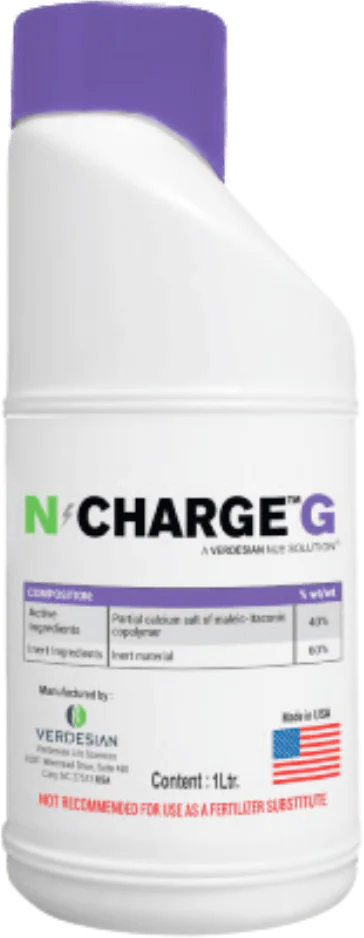
Take Off ST® is a crop nitrogen assimilator that mimics a natural plant metabolite common in all crops. It works inside the plant to accelerate carbon fixation and increase nitrogen uptake and use efficiency. Stated benefits include faster emergence, better plant stand, stronger seedlings and better root development. Dose: 1 ml per packet of seed.
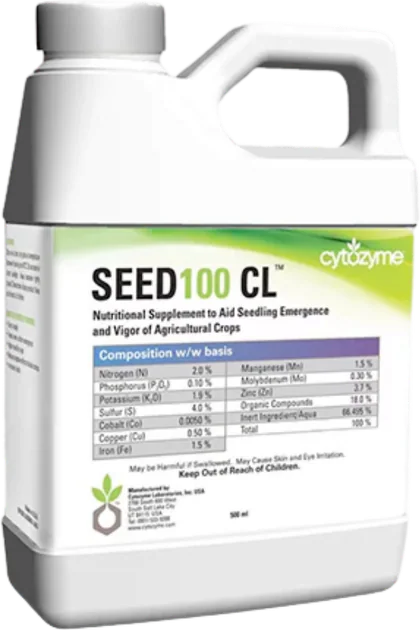
Seed 100 CL™ and SDM® provide nutrition for germinating seeds, helping seedlings emerge earlier and more uniformly with better root development. Both are applied dry – without water – and can be used alongside pesticide and fungicide seed treatments. Planting can be done any time after treatment.
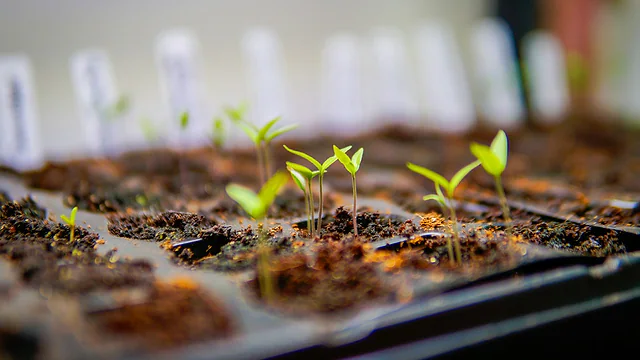
Stage 2: Nursery – healthy seedlings that transplant well
For transplanted crops such as paddy and many vegetables, the nursery decides how quickly the crop settles in the main field. Nursery plants face herbicide shock, high temperature and drought even with good care.
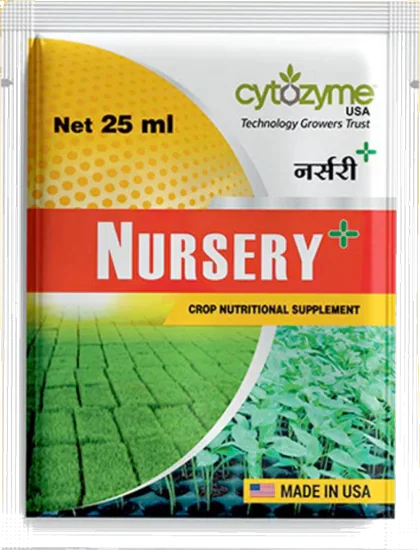
Nursery+™ supplies essential nutrients for a healthy nursery, helps protect seedlings from herbicide shock and abiotic stress, and minimises transplant shock. It also increases photosynthesis and antioxidants for a healthier crop in the main field. Dose: 2.5–5 ml per kg of water-soluble fertilizer.
Stage 3: Vegetative growth – building the plant
During active vegetative growth, the crop builds the leaves, stems and roots that will later support flowering and filling. This is when nutrient uptake and photosynthesis matter most.
Crop+™ is produced by multi-stage fermentation and combines metabolites, selected marine algal extracts and protein hydrolysates with naturally chelated nutrients. Its stated benefits include increased photosynthesis, enhanced nutrient uptake, high antioxidant activity and enhanced natural defence (elicitation). Dose: 250 ml per acre, or 1.5–2 ml per litre of water.
For drip-irrigated crops, LYRA™ is applied at fertigation along with water-soluble fertilizer, in proportion to the applied nitrogen. It improves nutrient availability and uptake and helps mitigate nitrate leaching. Dose: 2.5–5 ml per kg of water-soluble fertilizer.
Where zinc is short – a common problem in Indian soils – CytoZ-Zn (12% organic zinc) is used at 250 ml per acre, or 1.5–2 ml per litre of water.
Stage 4: Flowering and fruit set – turning flowers into yield
Flower drop and poor fruit set are among the biggest yield losses in fruits, vegetables and many field crops. At this stage the plant needs efficient nutrient delivery to reproductive parts.
primacyALPHA® acts as a reproductive growth catalyst. It is a blend of a cytokinin precursor, a chlorophyll precursor and Take Off technology that works inside the plant to drive nutrient assimilation. Its stated benefits include increased flowering, fruit size and fruit set, and consistent crop quality and yield potential. It also provides sulphur, boron, manganese and zinc. Dose: 400 ml per acre, or 2.5–3 ml per litre of water.
CaB Plus supplies naturally chelated calcium and boron. Stated benefits include enhanced fruit setting, reduced dropping of fruits and vegetables and reduced blossom-end rot in vegetables. Dose: 400 ml per acre, or 2.5–3 ml per litre of water.
Stage 5: Grain fill and fruit colour – finishing well
The last stage decides grain weight, fruit size, colour and market value. Potassium is central here.
Cyto Potash is an organic liquid potash with natural ligands for easy application and rapid absorption. It is applied at grain-filling in field crops and at colour change in fruits and vegetables. Stated benefits include increased grain or fruit size, weight and colour formation, and better drought tolerance through its role as an osmoregulator. Dose: 250 ml per acre, or 1.5–2 ml per litre of water.
CaB Plus also supports post-harvest quality – size, colour, turgidity and shelf life.
Tips for a stage-wise programme
- Plan before the season. Decide which stages matter most for your crop and market.
- Keep the base nutrition balanced. Use soil test results to set N, P, K and micronutrient doses.
- Do not skip the early stages. A weak start is hard to make up later.
- Check compatibility before tank-mixing with other products.
- Keep an untreated strip to measure the difference in yield and quality.
Talk to a Verdesian agronomist
Want a stage-wise programme for your crop? Contact a Verdesian agronomist for a recommendation, or request our trial reports to see field results.
Frequently asked questions
At which crop stage should biostimulants be applied?
It depends on the product. Seed treatments are used before sowing, Nursery+ supports the nursery stage, Crop+ supports active growth and nutrient uptake, and primacyALPHA® targets flowering, fruit set and fruit size.
What is the dose of primacyALPHA®?
primacyALPHA® is used at 400 ml per acre, or 2.5–3 ml per litre of water.
When should Cyto Potash be applied?
In field crops, Cyto Potash is applied at the grain-filling stage; in fruits and vegetables, at the colour-change stage. The dose is 250 ml per acre, or 1.5–2 ml per litre of water.
Can biostimulants replace fertilizers?
No. Biostimulants and nutrient supplements work alongside a balanced fertilizer programme to help the crop use nutrients better and cope with stress.